
LOWER-COST CHINESE BRAND TYRES AND ALLOY WHEELS: SAFETY, PERFORMANCE AND DURABILITY EXPLAINED
Explore the safety, performance and durability risks of lower-cost Chinese brand tyres and alloy wheels. Learn how inconsistent quality control can affect grip, braking, tyre life and wheel strength, and what buyers should check before choosing budget tyres or aftermarket alloy wheels for Indian road conditions.
TYRES IN GUWAHATI
ONE PITSTOP
12/27/20252 min read
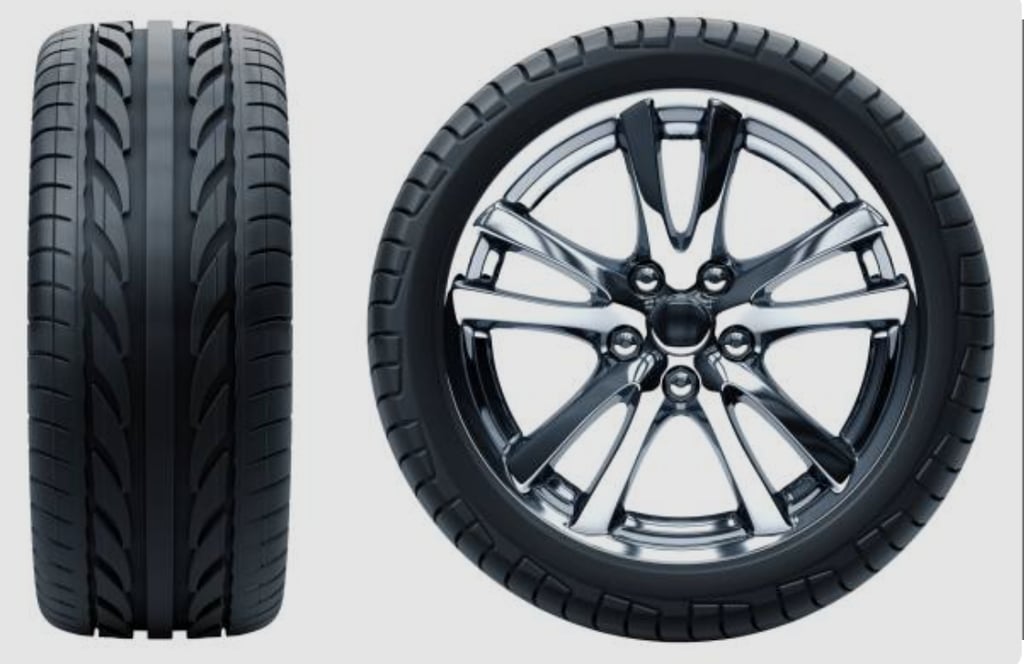
Lower-Cost Chinese Brand Tyres and Alloy Wheels: Safety, Performance and Durability Concerns:
Lower-cost Chinese brand tyres and alloy wheels are widely available due to aggressive pricing. While not all such products are unsafe, a common concern with budget options is inconsistent quality control, which can affect vehicle safety, handling performance and long-term durability. Understanding these risks helps car owners make informed purchasing decisions.
Issues with Chinese Brand Tyres-
01. Safety concerns due to inconsistent manufacturing
Many low-cost tyres are produced with relaxed quality standards. In past industry cases, certain tyres were found missing critical internal components such as the gum strip, which bonds the tread to the carcass. The absence of this layer increases the risk of tread separation, sudden air loss and tyre blowouts, especially during highway driving.
02.Poor grip and braking performance
Budget tyres often use inferior rubber compounds that harden quickly. This leads to reduced wet-road grip, longer braking distances, weaker cornering stability and a higher risk of hydroplaning during monsoon conditions.
03.Premature wear and structural defects
Uneven and rapid tyre wear is a common issue. Structural problems such as belt separation, sidewall bulges, internal cracks and excessive vibration indicate weak construction and can lead to sudden tyre failure if ignored.
04.Difficulty in wheel balancing
Inconsistent tyre construction can make accurate wheel balancing difficult. Poor balancing causes steering vibration, increased road noise, uneven tyre wear and accelerated wear of suspension and steering components.
05.Inadequate load capacity
Many budget tyres are offered with lower load ratings. This is risky for SUVs, fully loaded vehicles and highway use. Insufficient load capacity can result in overheating, sidewall failure and catastrophic blowouts.
Issues with Aftermarket Alloy Wheels-
01.Variable manufacturing quality
Aftermarket alloy wheels vary significantly in quality depending on the manufacturer. While some meet international safety standards, others compromise on metal composition and heat treatment, resulting in weaker wheels.
02.Brittleness and pothole damage
Alloy wheels are lighter than steel wheels but are more brittle, especially when cheaply manufactured. On rough roads and potholes, low-quality alloy wheels can crack or bend easily. Unlike steel wheels, cracked alloy wheels usually cannot be repaired safely.
03.Counterfeit alloy wheels
The market also faces the issue of counterfeit alloy wheels that imitate premium designs. These replicas often lack structural testing, impact resistance certification and proper load ratings, making them unsafe for regular or high-speed use.
04Fitment and specification issues
Incorrect specifications such as offset, PCD, hub bore or load rating can affect braking performance, suspension geometry and steering response. Poor fitment also causes uneven tyre wear and long-term mechanical stress.
Combined Risk of Cheap Tyres and Low-Quality Alloy Wheels
The highest risk occurs when low-quality tyres are paired with inferior alloy wheels. Budget tyres often lack strong sidewalls and fail to protect alloy wheels during pothole impacts. In the event of a tyre blowout or delamination, damage can extend to the alloy wheel, suspension, steering system and vehicle body panels. Such failures are both costly and dangerous.
How to Reduce Risk When Buying Tyres and Alloy Wheels
a. Choose tyres and alloy wheels from reputed manufacturers with proven performance
b. Verify DOT codes, manufacturing dates and quality certifications
c. Ensure correct tyre size, load index and speed rating for the vehicle
d. Avoid counterfeit alloy wheels and buy only from authorised sellers
e. Ensure professional installation, wheel alignment and wheel balancing
Conclusion
Lower-cost Chinese tyres and alloy wheels may offer short-term savings, but inconsistent quality control can lead to poor grip, faster wear, wheel damage and serious safety risks. Investing in certified tyres and well-engineered alloy wheels provides better braking, stability, durability and long-term value, especially on Indian roads and highways.
GET IN TOUCH
ADDRESS
ONE PITSTOP
Sixmile, VIP Road, Opposite HDFC Bank
Guwahati, Assam – 781022
CONTACTS
Phone: +91-69008-99147 | +91-361-3528921
Email: info@one-pitstop.com
© 2025 ONE PITSTOP. All Rights Reserved.
Follow us