
IMPORTANT ASPECTS IN ALLOY WHEEL SELECTION
THE ULTIMATE BUYER’S GUIDE FOR SAFE, CORRECT & LONG-LASTING ALLOY WHEELS
TYRES IN GUWAHATI
ONE PITSTOP
12/31/20256 min read
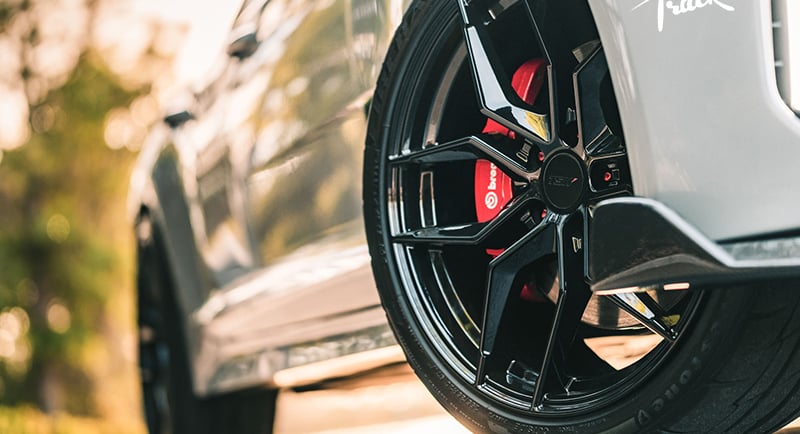
Alloy wheels enhance a vehicle’s appearance, handling, braking and overall driving experience. However, selecting alloy wheels purely based on design or size can lead to serious problems such as vibration, tyre damage, poor handling, suspension stress and safety risks.
This detailed guide explains every important technical and practical factor customers must understand before buying alloy wheels. At ONE PITSTOP, we believe informed customers make safer and smarter choices.
WHY ALLOY WHEEL SELECTION REQUIRES TECHNICAL KNOWLEDGE
Many customers assume alloy wheels are interchangeable. In reality, each vehicle has precise mechanical requirements. A mismatch in even one parameter can cause:
Steering vibration at highway speeds
Tyre rubbing and uneven wear
Reduced braking efficiency
Suspension and bearing damage
Wheel loosening or cracking on bad roads
Understanding these aspects ensures safety, comfort and long-term reliability.
1. UNDERSTANDING MATERIAL AND CONSTRUCTION
Not all alloy wheels are created equal. The manufacturing process determines the wheel’s strength, weight, and durability.
CAST ALLOY WHEELS: The most common and affordable type. Molten aluminium is poured into a mold. While cost-effective, they are generally heavier and less dense than forged options.
FLOW FORMED WHEELS: A hybrid process where the wheel centre is cast, and the barrel is spun and stretched. This results in a Lighter and Stronger wheel than standard casting.
FORGED ALLOY WHEELS: The gold standard. Carved from a solid block of aluminium under immense pressure. These offer the Highest Strength-to-Weight Ratio, making them ideal for performance and luxury vehicles.
2. CRITICAL FITMENT SPECIFICATIONS
To ensure a Safe and Correct Fitment, you must match these four technical parameters to your specific vehicle:
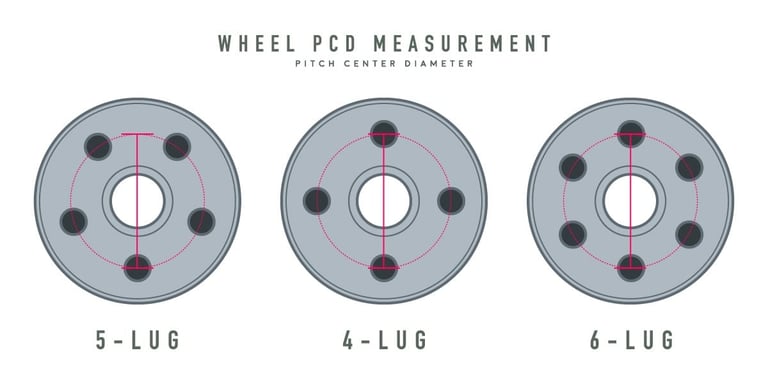
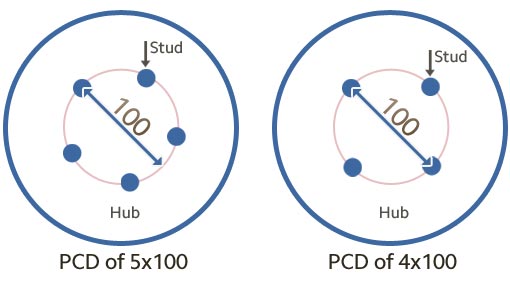
A. PCD (PITCH CIRCLE DIAMETER) – THE FOUNDATION OF FITMENT
PCD is the most critical measurement for wheel installation. It defines the number of bolt holes and the diameter (in millimetres) of the imaginary circle they form.
COMMON EXAMPLES: 4×100, 5×114.3, 5×112.
THE GOLDEN RULE: PCD must be an Exact Match. Even a 1–2 mm difference is structurally unsafe and cannot be "fixed" by tightening bolts.
WHY PCD IS CRITICAL:
Ensures Equal Load Distribution across the hub.
Prevents bolt stress and dangerous wheel movement.
Maintains proper Braking Alignment.
❌ NEVER install a wheel with an “almost matching” PCD.
B. NUMBER OF BOLT HOLES & BOLT SEAT TYPE
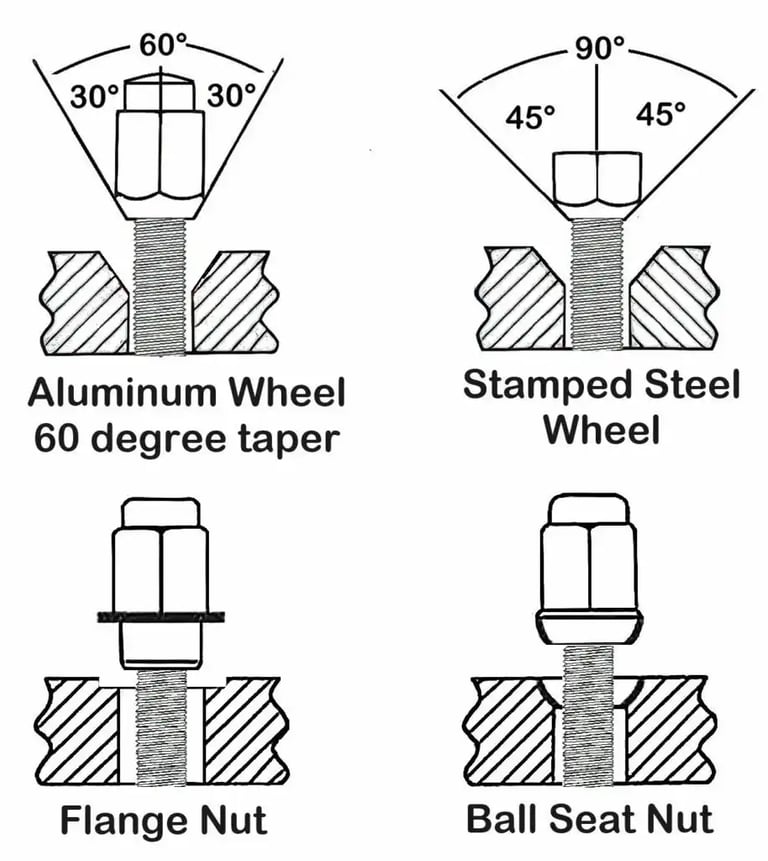
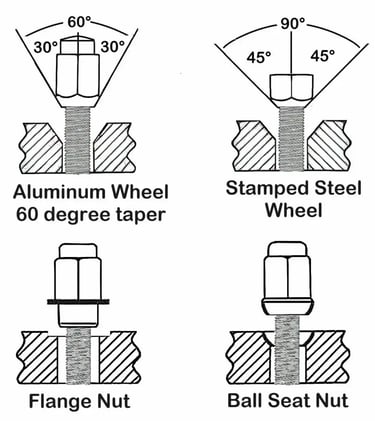
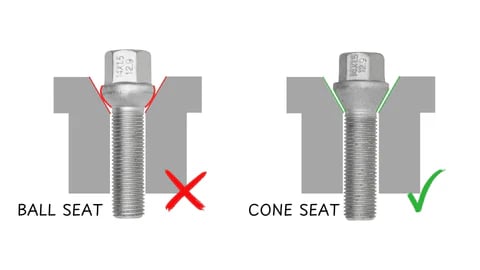
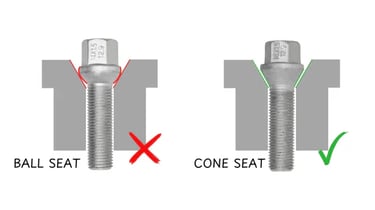
Safety depends on how the wheel is secured to the hub. The Bolt Seat Type determines the contact point between the fastener and the wheel.
COMMON BOLT SEAT TYPES:
CONICAL (TAPERED): Angled seating (most common aftermarket).
BALL SEAT: Rounded seating (common on OEM European cars).
FLAT SEAT: Used primarily on specific heavy-duty or older models.
RISKS OF MISMATCHING: Using the wrong seat type causes uneven clamping force, wheel loosening, steering vibration, and potential Brake Disc Damage.
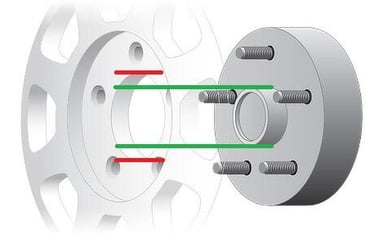
C. CENTRE BORE (CB) – FOR VIBRATION-FREE DRIVING
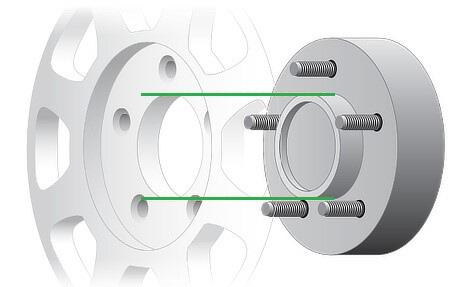
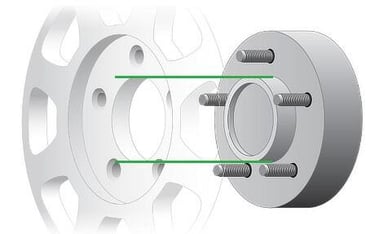
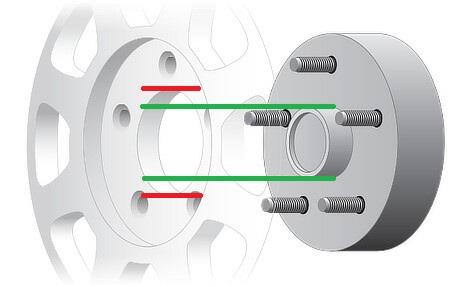
HUB-CENTRIC: A perfect fit where the wheel rests on the hub (Ideal).
LUG-CENTRIC: The wheel relies on bolts for cantering (Requires Hub Rings).
PRO TIP: If the wheel's centre bore is larger than the hub, Hub-Centric Rings are Mandatory to prevent steering vibration at speeds of 80–100 km/h and premature tire wear.
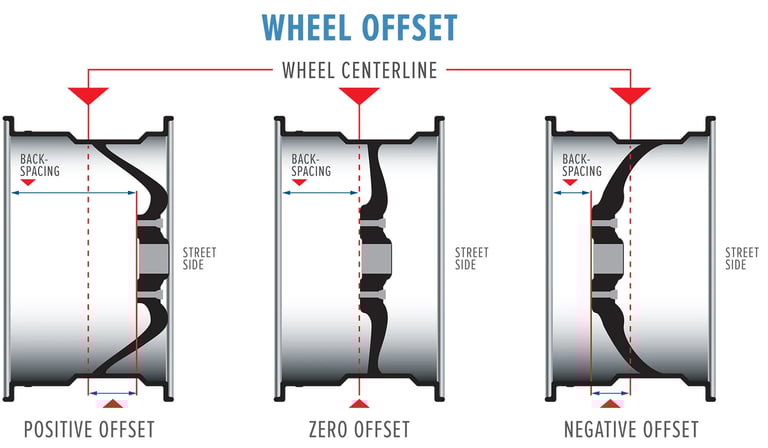
D. OFFSET (ET VALUE) – WHEEL POSITION & GEOMETRY
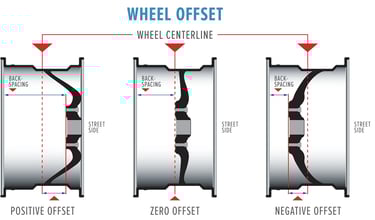
Offset (ET) is the distance between the wheel centreline and the hub mounting surface. It controls where the wheel sits in relation to the fender.
POSITIVE OFFSET (+ET): The wheel sits further inward (Common).
NEGATIVE OFFSET (–ET): The wheel protrudes outward (Deep-dish look).
INCORRECT OFFSET: Can cause tires to rub on suspension, pull the steering, and drastically reduce the life of Wheel Bearings.
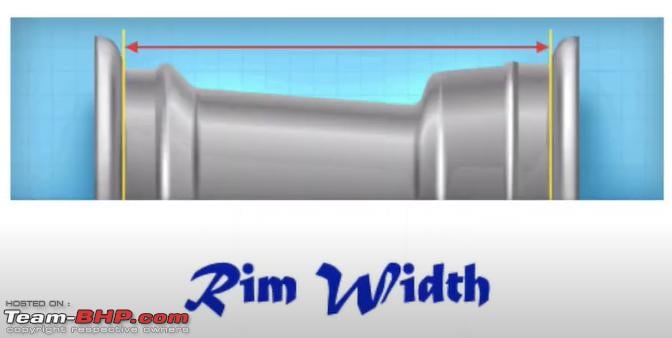
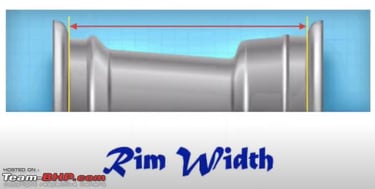
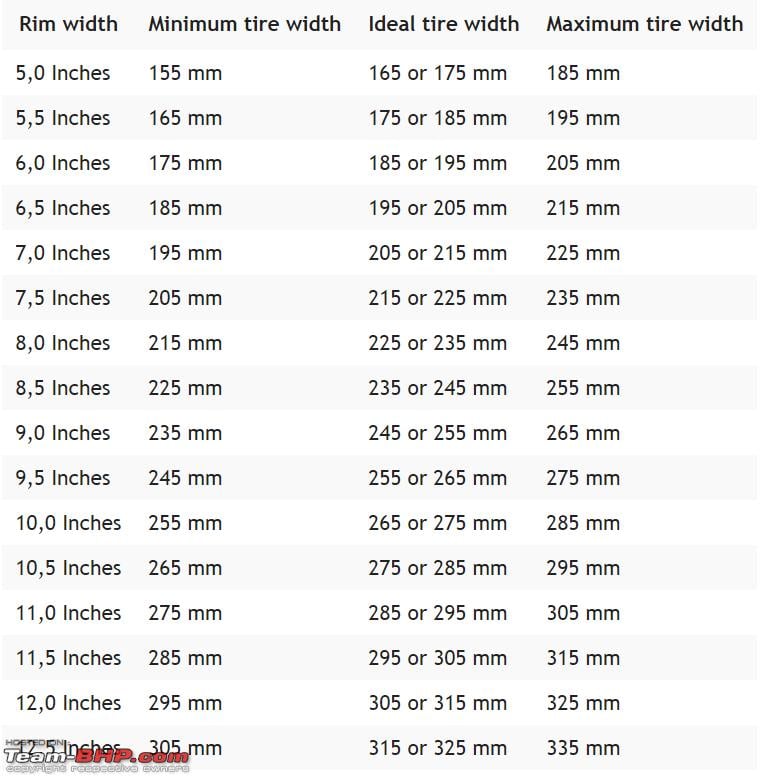
E. WHEEL WIDTH (J VALUE) – MATCHING TYRE SIZE
Measured in inches (e.g., 6J, 7J, 8J), the width determines which tires can be safely mounted. J Value = width of the alloy wheel (measured in inches)
PROPER WIDTH ENSURES: Optimal sidewall support and cornering stability.
INCORRECT WIDTH CAUSES: Uneven tire wear, sidewall bulging, and reduced grip. Tires and wheels must work as one Integrated System
F. RIM DIAMETER & UPSIZING – PERFORMANCE VS. STYLE
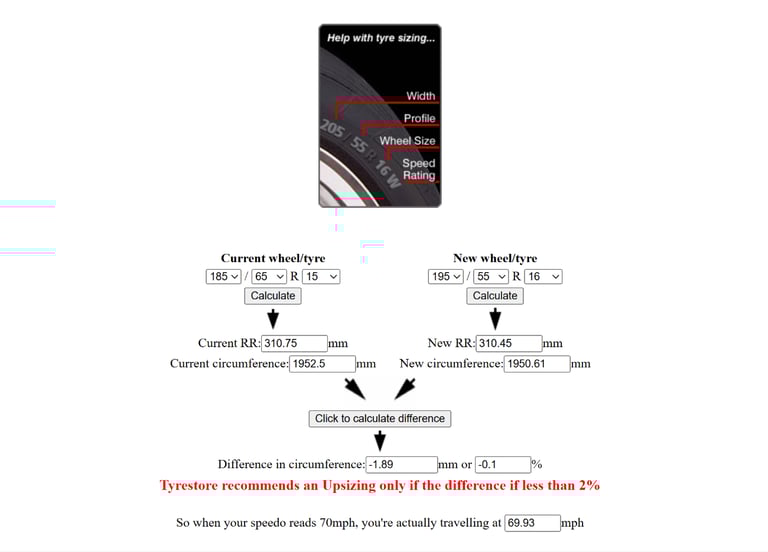
Tyre upsizing is a popular upgrade among car owners who want better handling, more road grip and a sportier look. Upsizing means changing from the stock tyre size to a wider tyre or larger rim while maintaining the correct rolling radius. The key rule in tyre upsize is keeping the new circumference within ±2% of the original size. Exceeding this limit causes problems such as ABS malfunction, inaccurate speedometer reading, poor mileage and suspension stress. A tyre upsize calculator helps compare rolling radius, tyre width, rim size and percentage difference to ensure the new size is safe. Wider tyres increase vehicle stability, cornering control and braking performance, especially on highways and wet roads. Vehicles with larger tyres also look more aggressive, fill the wheel arches better and feel more planted at high speeds. However, incorrect upsizing can cause rubbing issues, reduced ride comfort and faster shoulder wear. Drivers choosing a +1 or +2 upgrade need to reduce sidewall height to match the rolling diameter. For example, shifting from 185/65 R15 to 195/55 R16 is a safe upsize because the difference remains within tolerance and maintains correct wheel geometry. Tyre upsizing supports stronger road grip for SUVs, sedans and hatchbacks, making cars like Creta, Baleno, Innova and Thar feel more confident. Before purchasing, drivers must check load rating, speed index, rim width and offset to avoid vibration and steering imbalance. When done professionally at a tyre shop, upsizing improves handling, braking bite and cornering grip without harming mileage or safety. In simple terms, tyre upsizing is the easiest way to enhance tyre performance and vehicle stance, provided the diameter change stays within the 2% guideline.
While larger rims (17", 18", etc.) look premium, proper upsizing must account for:
BRAKE CALIPER CLEARANCE: Ensuring the rim doesn't hit the brakes.
SUSPENSION TRAVEL: Avoiding contact with the wheel arches.
SPEEDOMETER ACCURACY: Maintaining the correct overall rolling diameter.
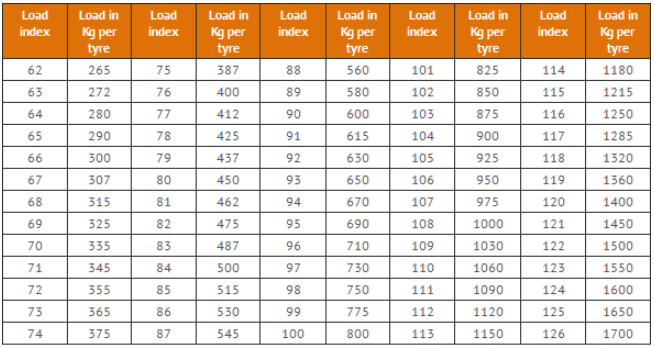
G. LOAD RATING – ESSENTIAL FOR DURABILITY
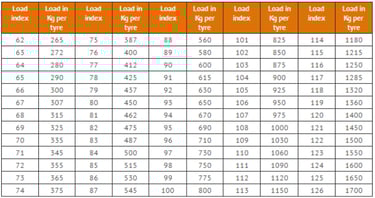
Every alloy wheel has a Maximum Load Capacity. This is especially critical for SUVs, EVs (which are heavier), and Fully Loaded Family Cars.
UNDER-RATED WHEELS MAY: Bend, crack, or cause catastrophic tire failure under pressure. Always choose wheels that meet or exceed your vehicle's Gross Axle Weight Rating.
H. BUILD QUALITY & MANUFACTURING TECHNOLOGY
The longevity of your wheels depends on how they were made.
LOW-PRESSURE CASTING: Offers better density than basic gravity casting.
FLOW-FORMING TECHNOLOGY: Results in a lighter, stronger rim barrel.
POOR QUALITY ALLOYS: Are prone to cracking on potholes and require frequent re-alignment.
I. ROAD CONDITIONS & DRIVING STYLE
Select your wheels based on your reality. If you frequently encounter Potholes or Rough Patches, a wheel with a higher load rating and a tire with a larger sidewall (smaller rim diameter) will perform better than a purely cosmetic upgrade.
SUMMARY: BENEFITS OF CORRECT SELECTION
SAFE & SECURE MOUNTING
VIBRATION-FREE HIGH-SPEED DRIVING
IMPROVED BRAKING & HANDLING
LONGER TYRE & SUSPENSION LIFE
CONFIDENCE ON ROUGH ROADS
At ONE PITSTOP, every alloy wheel installation follows strict checks:
PCD verification
Centre bore matching
Offset calculation
Wheel width & tyre compatibility
Load rating confirmation


GET IN TOUCH
ADDRESS
ONE PITSTOP
Sixmile, VIP Road, Opposite HDFC Bank
Guwahati, Assam – 781022
CONTACTS
Phone: +91-69008-99147 | +91-361-3528921
Email: info@one-pitstop.com
© 2025 ONE PITSTOP. All Rights Reserved.
Follow us